You have probably felt proud of a group you belong to. Your country, your team, your community. That feeling is normal. It can even be healthy.
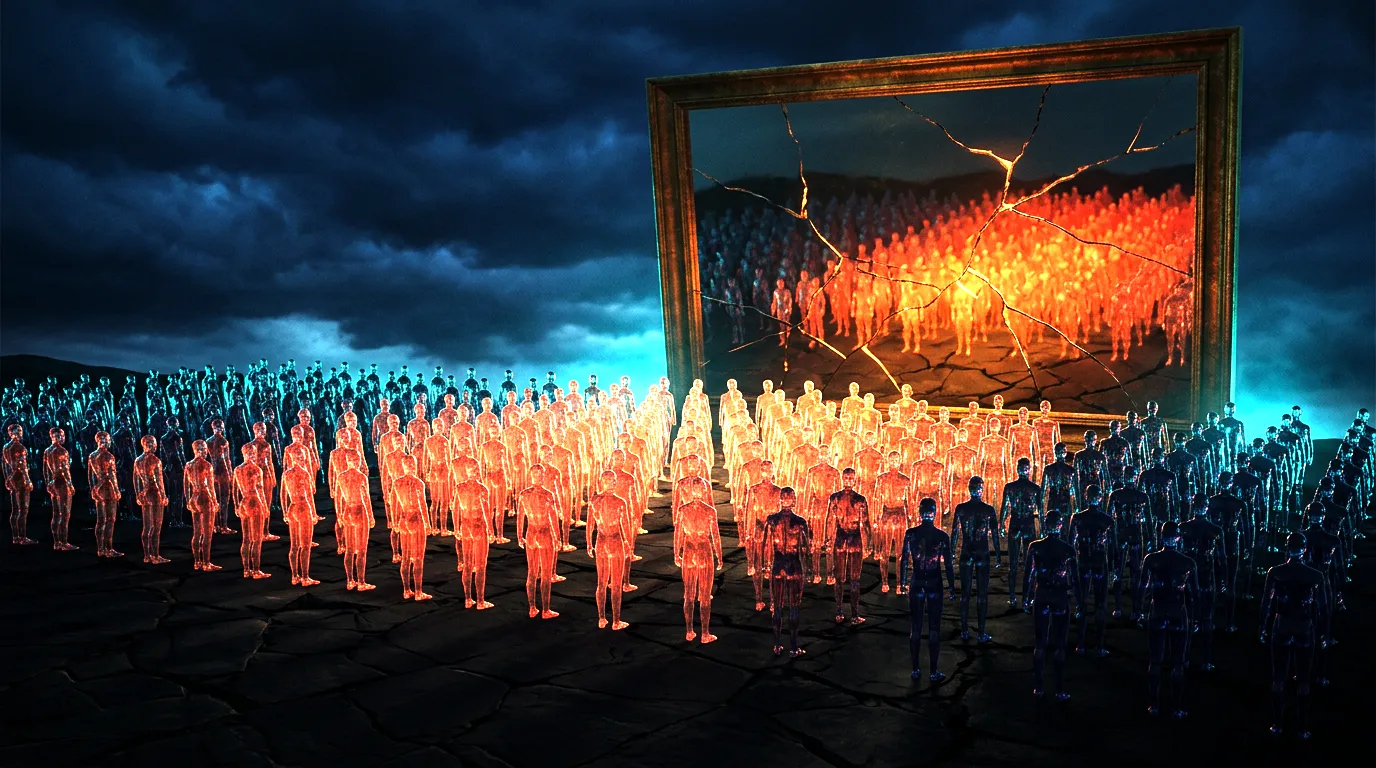
But something dangerous happens when that pride curdles into a demand. When a group stops saying “we are great” and starts saying “the world refuses to see how great we are.” That shift turns ordinary people into hostile actors. And it can happen to anyone.
Psychologists call it collective narcissism. It is the belief that your group’s greatness is not sufficiently recognized by outsiders.[1] And a growing body of research shows it is one of the most reliable predictors of intergroup hostility, political violence, and radicalization.
When Pride Becomes Poison
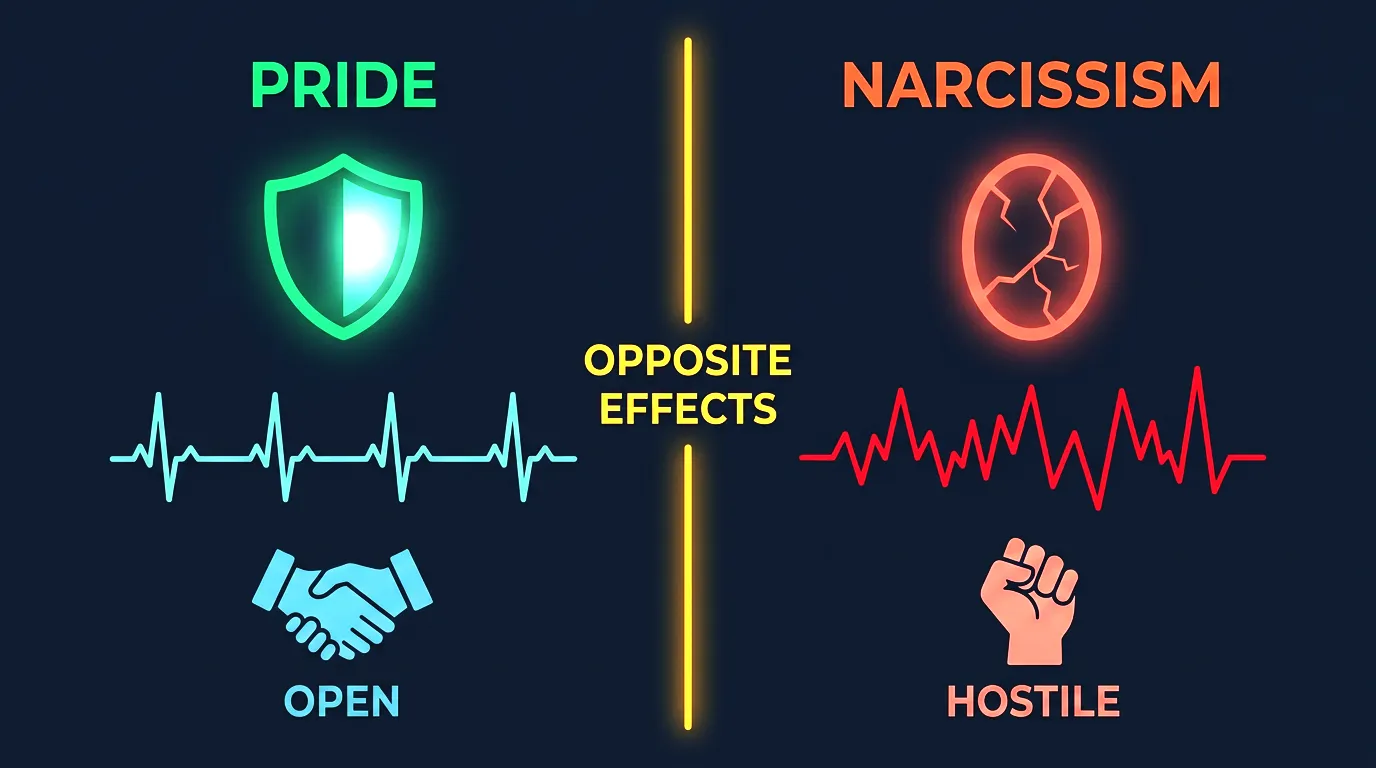
Collective narcissism is not the same as loving your group. Researcher Agnieszka Golec de Zavala, who developed the concept, makes a critical distinction. Healthy group pride means you feel good about your group’s values and contributions. You do not need anyone else to validate that feeling.[1]
Collective narcissism is different. It hinges on external recognition. The group believes it is exceptional and entitled to special treatment. But it also believes the rest of the world refuses to acknowledge that exceptionality.[2]
The Key Difference
Think of it this way. A patriot says, “I love my country.” A collective narcissist says, “My country is the greatest, and anyone who doesn’t see that is an enemy.”
Research confirms this distinction has real consequences. In a 2019 study, Golec de Zavala found that collective narcissism and healthy in-group satisfaction predict completely opposite attitudes toward outsiders.[3]
- Healthy group pride reduces hostility toward outgroups
- Collective narcissism increases hostility, blame, and perceived threat
- People high in collective narcissism see insults to their group everywhere, even where none exist
- Healthy group members feel secure. Collective narcissists feel perpetually threatened.
| Trait | Healthy Group Pride | Collective Narcissism |
|---|---|---|
| Source of pride | Internal values and identity | External validation demanded |
| Reaction to criticism | Able to reflect and adapt | Hostile and retaliatory |
| View of outgroups | Neutral or positive | Threatening and inferior |
| Need for recognition | Low | Extremely high |
| Linked to aggression | No | Yes, consistently |
The pattern mirrors what you see in individual narcissism. A covert narcissist craves recognition but feels perpetually slighted. Scale that up to a group of thousands or millions, and the danger multiplies.
“Collective narcissism is associated with intergroup hostility positively, whereas in-group satisfaction is related to intergroup hostility negatively.” - Agnieszka Golec de Zavala, Goldsmiths, University of London
Recommended read: The True Believer by Eric Hoffer — a classic exploration of how mass movements exploit frustrated individuals searching for meaning through group identity.
The Victimhood Machine
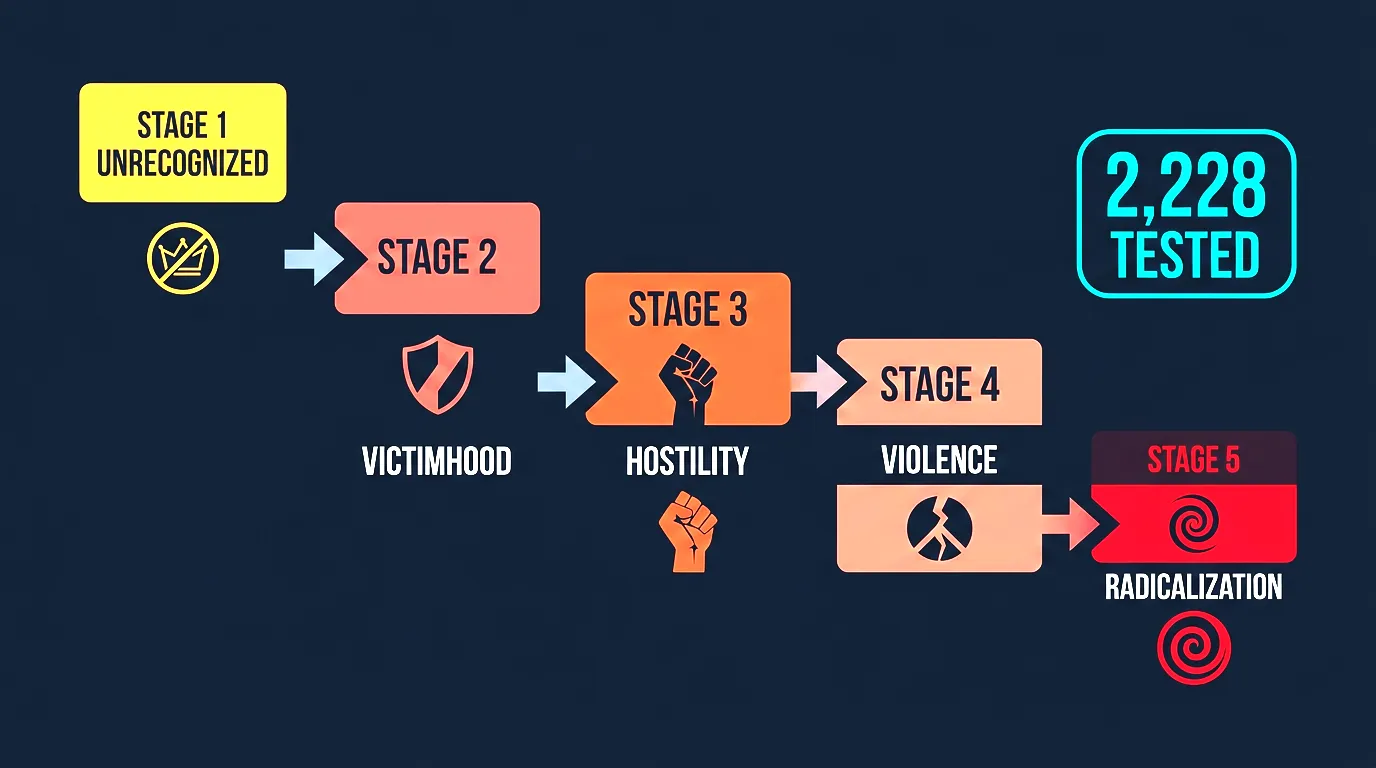
Here is where collective narcissism gets truly dangerous. It creates a self-reinforcing victimhood narrative. The group believes it is great. It believes the world refuses to see that greatness. So any setback or criticism becomes evidence of persecution.[2]
This is not the same as actual victimhood. Real injustice exists. But collective narcissism distorts perception so that everything looks like an attack on the group, even when it is not.
How the Victim Narrative Escalates
A 2025 study published in Group Processes and Intergroup Relations examined 2,228 participants across four studies. Researchers Oliver Keenan and Golec de Zavala found that White collective narcissism in the United States was consistently associated with opposition to racial equality.[4]
Specifically, White collective narcissism predicted:
- Support for state repression of the Black Lives Matter movement
- Antiegalitarianism and legitimization of racial inequality
- Support for the alt-right movement
- Opposition to policies designed to help racial minorities
The mechanism is straightforward. When a dominant group believes its greatness is threatened, equality itself feels like an attack. Sharing power feels like losing power. This is the victimhood machine at work.
The Violence Connection
The distorted threat perception does not stay in people’s heads. It drives action. Research published in the Cambridge Handbook of the Psychology of Violent Extremism shows that collective narcissism predicts support for terrorist violence in radicalized networks across Sri Lanka, Indonesia, and Morocco.[5]
A 2025 study in Personality and Social Psychology Bulletin found another chilling pathway. When group members perceive their group as having spiritual strength, collective narcissism mediates the link between that perception and willingness to engage in extreme self-sacrifice.[6] The researchers replicated this effect among imprisoned jihadists.
The hostility is always framed as defense. Collective narcissists never see themselves as aggressors. In their minds, they are always fighting back against a world that refuses to recognize them.
If you have ever wondered why people refuse to change their political beliefs even when presented with evidence, collective narcissism offers part of the answer. The beliefs are not really about politics. They are about identity protection.
From Online Echo Chambers to Real-World Violence
Social media did not create collective narcissism. But it gave it rocket fuel.
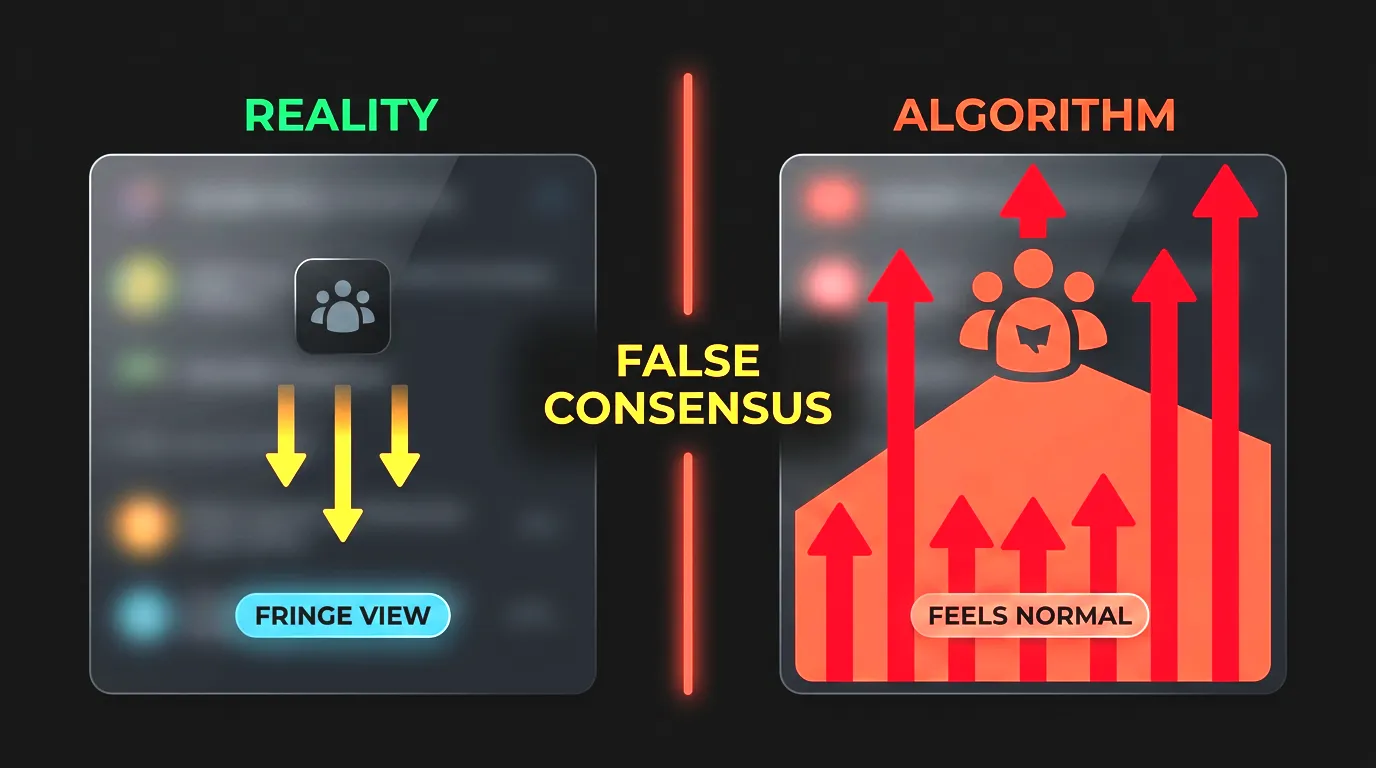
A 2025 study published in Frontiers in Social Psychology examined how social media algorithms and AI amplify extremist content during intergroup conflict. The findings were alarming. Algorithms have a distinctive amplification power that repeatedly promotes divisive content to users who are most susceptible to it.[7]
How Algorithms Radicalize
The process works through two well-documented psychological effects:
- The illusory truth effect. When you see the same claim repeated over and over, it starts to feel true, even if it is false.[7] Algorithms ensure extremist content gets repeated constantly in vulnerable users’ feeds.
- The false consensus effect. When extremist views are highly visible on a platform, people overestimate how many others share those views.[7] A small group of collective narcissists can look like a majority.
This is not theoretical. The research shows that extremist groups systematically exploit AI-driven recommendation algorithms and behavioral profiling to identify and target psychologically vulnerable populations.[8]
The Youth Pipeline
Young people are especially vulnerable. A 2025 report from the Global Network on Extremism and Technology found that social media algorithms create a “feed that shapes us,” pushing adolescents toward extremist content through personalized recommendations.[9] Research shows that algorithms are actively radicalizing teenagers through this exact pipeline.
The pattern follows a predictable path:
- A young person feels isolated or misunderstood
- Algorithms detect engagement with mildly provocative content
- The feed gradually escalates to more extreme material
- Group identity forms around shared grievance
- Collective narcissism takes root. The group is special, and the world is against them.
This is how conformity works at internet scale. The same psychological pressure that makes you agree with a room full of strangers now operates through millions of algorithmically curated feeds.
“Exposure to extremist content can drive radicalization, especially among youth, either by introducing psychologically vulnerable individuals to extremist propaganda or by strengthening links between existing radical beliefs and political violence.” - Frontiers in Social Psychology, 2025
Recommended read: Tribal by Michael Morris — explains the deep tribal instincts that make humans so susceptible to group identity manipulation and us-versus-them thinking.
The Psychology Behind Who Gets Recruited
Not everyone falls into collective narcissism. So what makes certain people more vulnerable?
Research identifies several key risk factors. Understanding them is the first step toward protecting yourself and the people you care about.
Low Self-Esteem Seeking a Home
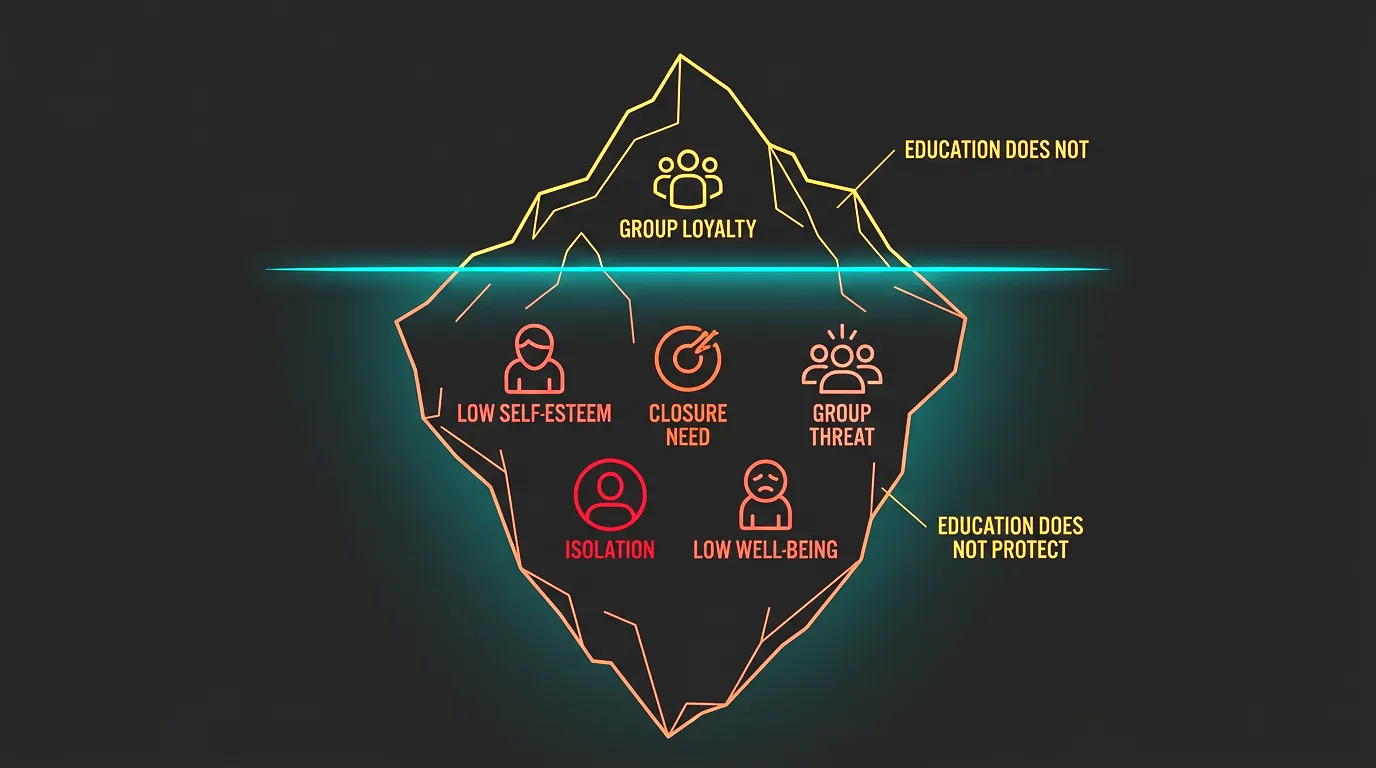
The strongest individual predictor is low personal self-esteem. People who feel insignificant on their own are drawn to groups that promise them greatness by association.[10]
Golec de Zavala’s research shows that low self-esteem consistently predicts collective narcissism weeks later. But here is the cruel twist. Endorsing collective narcissism does not actually boost self-esteem.[2] It is a trap. People invest their wounded sense of self-worth into the group’s image, but they never feel better. So they double down.
Need for Cognitive Closure
People with a high need for cognitive closure crave certainty and dislike ambiguity. They want clear answers and firm categories.[10] Collective narcissism offers exactly that. Us versus them. Good versus evil. No gray areas.
A 2025 study published in Current Opinion in Behavioral Sciences found that collective narcissism combined with high need for cognitive closure produces rigid, hostile intergroup attitudes. These individuals are especially resistant to information that challenges their group’s narrative.[11]
The Vulnerability Profile
- Low personal self-esteem that needs compensation through group identity
- High need for cognitive closure that rejects nuance and ambiguity
- Perceived group threat from external events or social changes
- Social isolation that makes group belonging feel like survival
- Low psychological well-being including negative emotionality and lack of life satisfaction[2]
Why Smart People Are Not Immune
Do not assume intelligence protects you. Collective narcissism is not about being stupid. Golec de Zavala’s 2024 research found that even well-educated people fall into collective narcissism when their personal identity feels fragile.[12] In fact, more educated collective narcissists can be more dangerous because they are better at constructing sophisticated justifications for their group’s hostility.
Recommended read: The Ideological Brain by Leor Zmigrod — a neuroscientist explains how brain structure and cognitive flexibility shape who becomes radicalized and who resists.
How to Recognize It Before It Spreads
Collective narcissism does not announce itself. It disguises itself as loyalty, patriotism, or fighting for justice. Recognizing the warning signs early is the best defense for individuals, families, and communities.
Warning Signs in a Group
Watch for these patterns in any group you belong to:
- The group constantly talks about being disrespected or unrecognized
- Criticism of the group is treated as a personal attack on every member
- Outsiders are painted as threats rather than simply different
- The group demands loyalty and punishes dissent
- Leaders frame every setback as evidence of persecution
- Members feel entitled to special treatment or recognition
Warning Signs in Yourself
Be honest with yourself about these questions:
- Do you feel personally attacked when someone criticizes a group you belong to?
- Do you believe your group deserves more recognition than it gets?
- Do you automatically assume bad intentions when outsiders disagree with your group?
- Does your sense of self-worth depend heavily on your group’s status?
If you answered yes to several of these, it does not mean you are a bad person. It means you may be vulnerable to collective narcissistic thinking.
Protective Factors
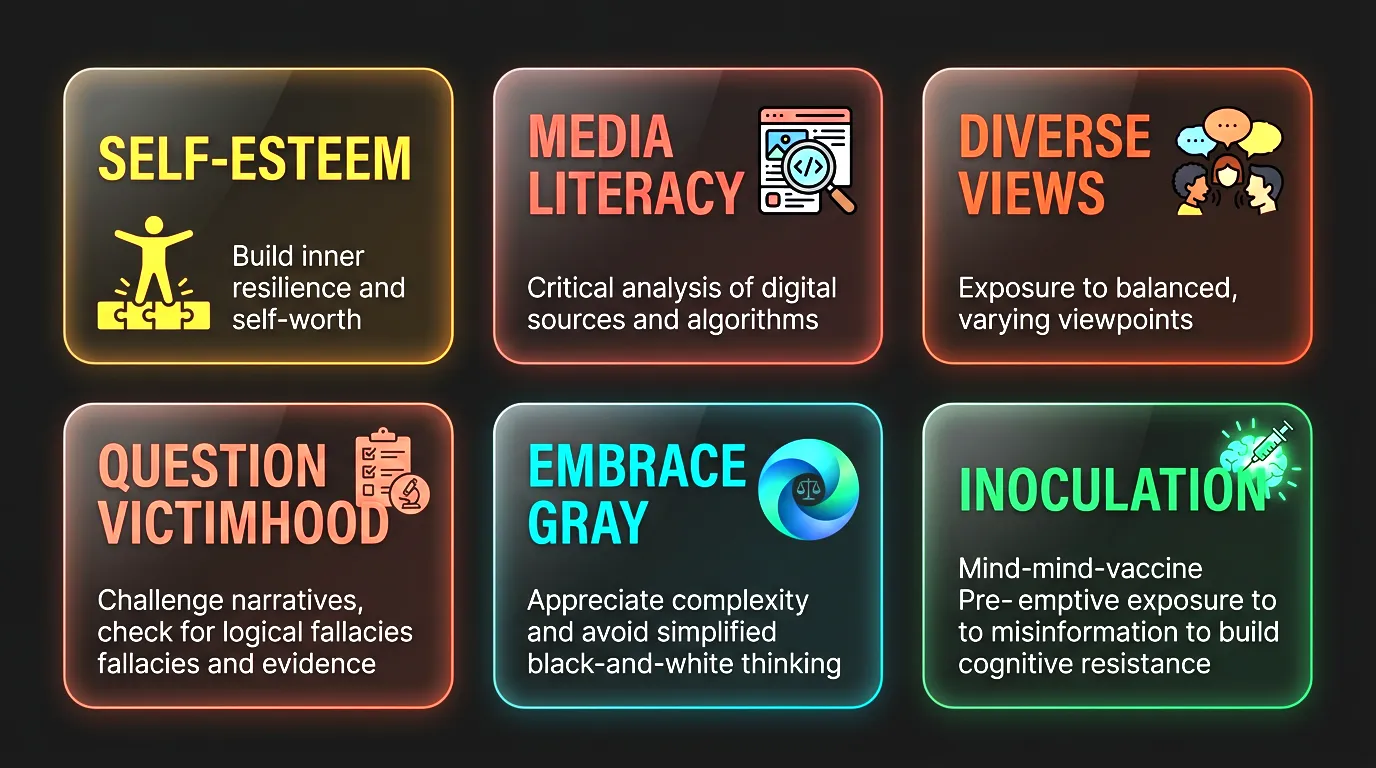
Research points to several ways to build resilience against collective narcissism:
- Cultivate personal self-esteem that does not depend on group identity. People with secure self-worth are less likely to need collective narcissism as a crutch.[2]
- Practice media literacy. Learn how algorithms work and recognize when your feed is pushing you toward outrage. Understanding the illusory truth effect makes you less susceptible to it.[7]
- Seek diverse perspectives. Regularly expose yourself to people and ideas outside your group. This breaks the false consensus effect that makes extreme views seem normal.
- Embrace ambiguity. Resist the urge for simple us-versus-them narratives. The world is complicated, and that is okay.
- Question victimhood narratives. When a group claims it is under attack, ask for specific evidence. Collective narcissists see persecution everywhere, even where none exists.
The Inoculation Approach
A promising line of research suggests that psychological inoculation can help. By exposing people to weakened forms of extremist arguments and teaching them to identify manipulation tactics, researchers have found they can build resistance to radicalization.[7] Think of it like a vaccine for the mind. A small, manageable dose of the bad stuff teaches your brain to recognize and reject the real thing.
The bottom line is this. Group pride is healthy. But the moment it becomes about the world failing to recognize your group’s greatness, you have crossed a line. That line leads somewhere dark. Recognizing it early is the only way to step back before the group carries you somewhere you never intended to go.
Sources
When Pride Becomes Poison
The Victimhood Machine
From Online Echo Chambers to Real-World Violence
9. The Feed That Shapes Us: Extremism and Adolescence in the Age of Algorithms (GNET, 2025)