Why AI Girlfriends Are Making the Loneliness Crisis Worse
Nearly 1 in 3 young men have dated an AI partner. Research reveals how AI companions create dopamine-driven attachment that blocks real social skills and deepens isolation.
Dark psychology, cognitive biases, manipulation tactics, persuasion science, behavioral economics, neuroscience. How your brain really works, who is exploiting it, and what you can do about it.
Nearly 1 in 3 young men have dated an AI partner. Research reveals how AI companions create dopamine-driven attachment that blocks real social skills and deepens isolation.
Why economic anxiety makes you spend more, not less. The neuroscience of doom spending, how it differs from retail therapy, and how to break the cycle.
Your amygdala treats war videos like real threats. Learn the neuroscience of doomscrolling, how algorithms exploit your negativity bias, and how to break free.
A single 25mg psilocybin dose produced 50% depression remission lasting over 2 years in cancer patients. Here's what the science says about how one trip can rewire your brain.
A 2022 meta-analysis found ultra-processed food raises depression and anxiety risk by 53%. New 2025 research shows it disrupts gut serotonin, alters brain lipids, and may triple Alzheimer's risk.
A landmark 2025 study tracked 168 children for over a decade and found that screen time before age 2 causes premature brain specialization, slower decisions at 8, and higher anxiety at 13.
Research shows social media algorithms push extremist content to teens in hours, not months. Here's how radicalization works, the 11 psychological traits that predict it, and what parents can actually do.
Financial scarcity hijacks your executive function, costs you up to 13 IQ points, and creates a cognitive trap that makes escaping poverty even harder. Here's what the science actually shows.
A team of neuroscientists and philosophers created a rigorous checklist for AI consciousness based on five leading brain theories. No current AI system passed. But nothing is stopping a future one from doing so.
Brain rot isn't just a meme. A 2025 peer-reviewed study confirms that excessive screen time physically changes your brain, destroys your attention span, and rewires your reward system. Here's what the science actually says.
David Chalmers argues that even if we live in a computer simulation, your beliefs are still true, your relationships still real, and your life still meaningful. Here is why.
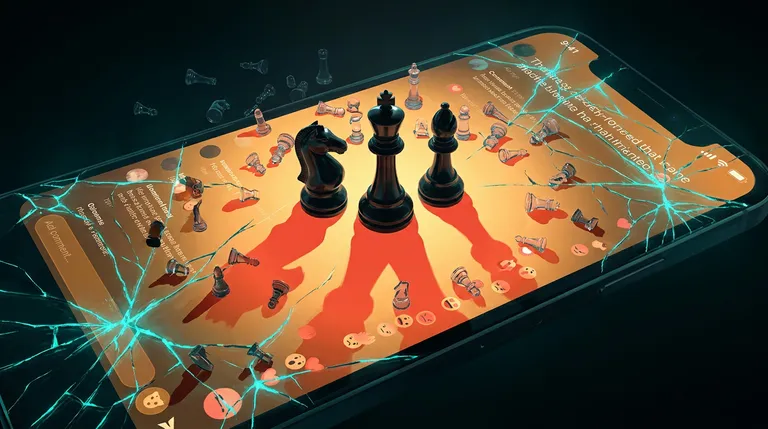
A Nature study reveals that people with dark personality traits like psychopathy and narcissism are the most active voices in online political discussions. Here's why that warps everyone's reality.
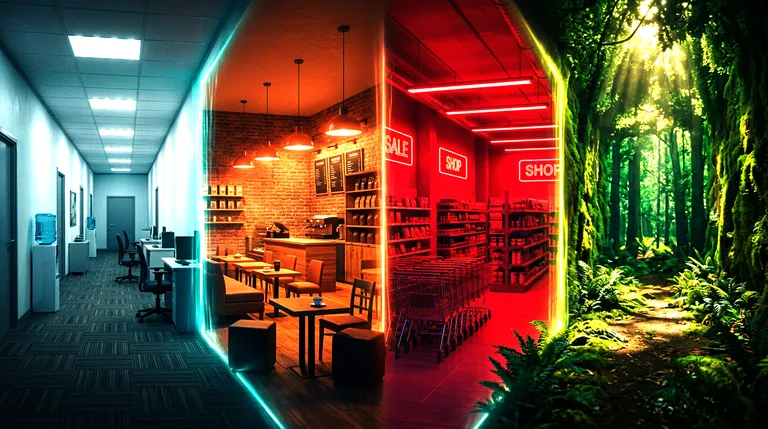
The rooms you sit in, the colors on your walls, and the layout of every store you enter are shaping your thoughts, mood, and decisions. Here's the science.
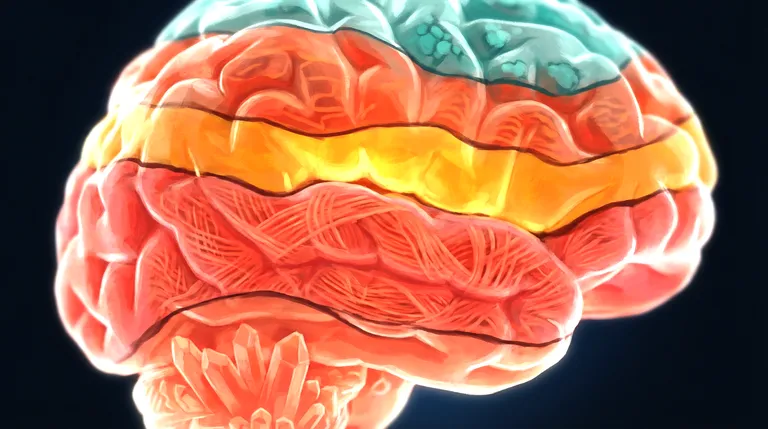
Brain scans of 4,216 people reveal five distinct brain eras with major turning points at ages 9, 32, 66, and 83. The popular belief that your brain matures at 25 was never right.
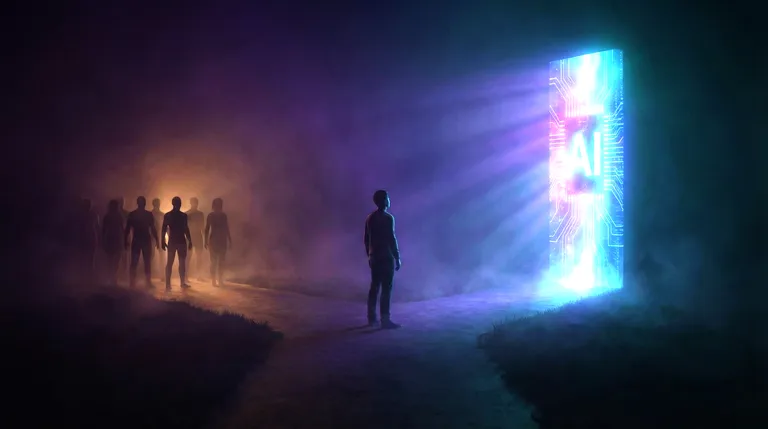
Your brain is wired to trust AI chatbots over real humans. Here's the psychology behind why we open up to machines, and why that trust could be used against you.
New research shows MDMA causes lasting memory and learning deficits that persist even years after you stop using it. Here's what the science actually says about ecstasy and your brain.
Science says your personality isn't set in stone. Learn how researchers proved you can reshape your Big Five traits in as little as three months with the right strategies.
You can't stop emotions from showing up. But you can change what happens next. Here's the science of emotion regulation and the tools that actually work.