
Doom Spending: The Psychology of Revenge Shopping
Why economic anxiety makes you spend more, not less. The neuroscience of doom spending, how it differs from retail therapy, and how to break the cycle.
Why economic anxiety makes you spend more, not less. The neuroscience of doom spending, how it differs from retail therapy, and how to break the cycle.
Your amygdala treats war videos like real threats. Learn the neuroscience of doomscrolling, how algorithms exploit your negativity bias, and how to break free.
A single 25mg psilocybin dose produced 50% depression remission lasting over 2 years in cancer patients. Here's what the science says about how one trip can rewire your brain.
A 2022 meta-analysis found ultra-processed food raises depression and anxiety risk by 53%. New 2025 research shows it disrupts gut serotonin, alters brain lipids, and may triple Alzheimer's risk.
A landmark 2025 study tracked 168 children for over a decade and found that screen time before age 2 causes premature brain specialization, slower decisions at 8, and higher anxiety at 13.
Financial scarcity hijacks your executive function, costs you up to 13 IQ points, and creates a cognitive trap that makes escaping poverty even harder. Here's what the science actually shows.

A team of neuroscientists and philosophers created a rigorous checklist for AI consciousness based on five leading brain theories. No current AI system passed. But nothing is stopping a future one from doing so.
Brain rot isn't just a meme. A 2025 peer-reviewed study confirms that excessive screen time physically changes your brain, destroys your attention span, and rewires your reward system. Here's what the science actually says.
New research shows quantum effects survive inside your brain's microtubules at body temperature. A 2025 paper argues this solves two of the hardest problems in consciousness science.

New research shows that catching up on sleep over the weekend lowers your risk of depression by 41%. But only if you do it right.
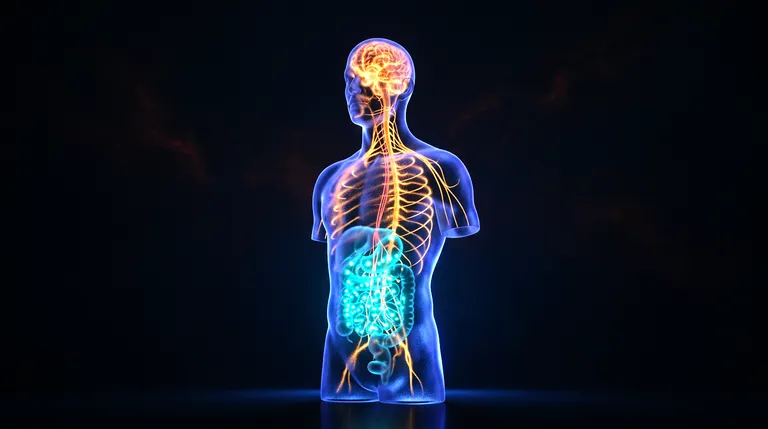
Your gut produces 90% of your serotonin and talks directly to your brain. New research reveals how stress destroys this connection and what you can do about it.
New research reveals procrastination is 63% heritable, linked to your amygdala size, and scientists can now zap it away with brain stimulation. Here is what your genes have to do with putting things off.
New 2025 research reveals your brain's creativity peaks during boredom, fidgeting, and mind wandering. Scientists found that forcing focus actually kills your best ideas.
Neuroscience reveals that chronic loneliness reduces brain volume in areas controlling memory, emotions, and decision making. Here is what the research shows and what you can do.
Neuroscientists discovered your brain has a built-in 'reality signal' that tells you what's real and what's imagined. But vivid imagination, VR, and gaslighting can flip that switch.
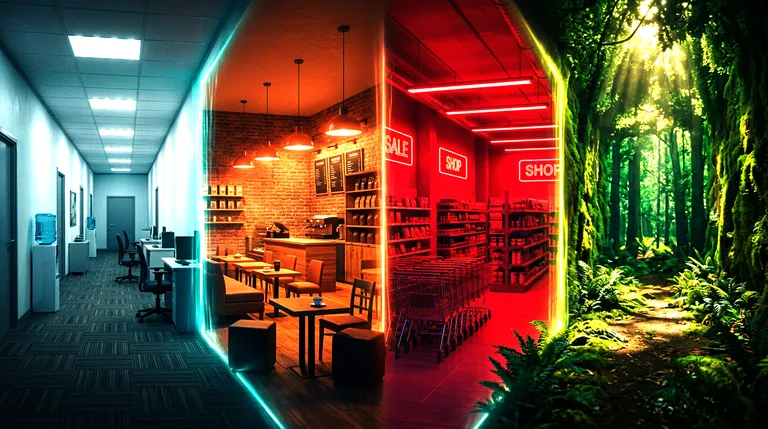
The rooms you sit in, the colors on your walls, and the layout of every store you enter are shaping your thoughts, mood, and decisions. Here's the science.

A massive study of 14,170 people found that exercise reduces depression more than medication. Here's what works, why it works, and how to start.
Researchers have cracked two-way communication with sleeping dreamers. Here's what lucid dreaming reveals about consciousness, therapy, and the future of your sleeping brain.