
Doom Spending: The Psychology of Revenge Shopping
Why economic anxiety makes you spend more, not less. The neuroscience of doom spending, how it differs from retail therapy, and how to break the cycle.
Dark patterns, dopamine hijacking, algorithmic manipulation, and tech ethics. Learn how apps and platforms exploit your psychology for profit.
Why economic anxiety makes you spend more, not less. The neuroscience of doom spending, how it differs from retail therapy, and how to break the cycle.
Your amygdala treats war videos like real threats. Learn the neuroscience of doomscrolling, how algorithms exploit your negativity bias, and how to break free.
A landmark 2025 study tracked 168 children for over a decade and found that screen time before age 2 causes premature brain specialization, slower decisions at 8, and higher anxiety at 13.

Research shows social media algorithms push extremist content to teens in hours, not months. Here's how radicalization works, the 11 psychological traits that predict it, and what parents can actually do.
Brain rot isn't just a meme. A 2025 peer-reviewed study confirms that excessive screen time physically changes your brain, destroys your attention span, and rewires your reward system. Here's what the science actually says.
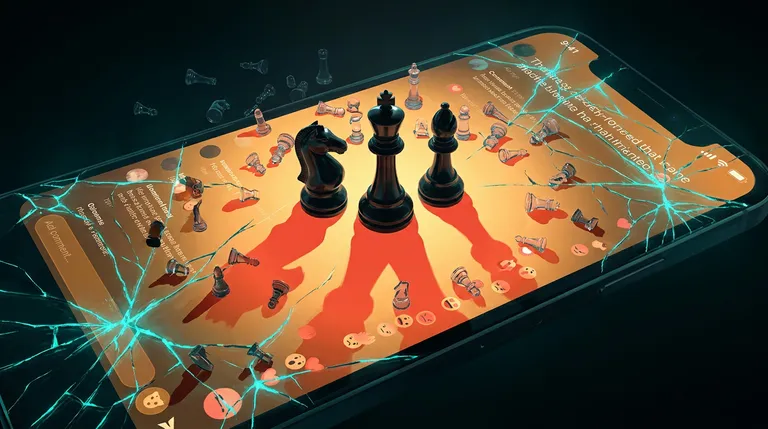
A Nature study reveals that people with dark personality traits like psychopathy and narcissism are the most active voices in online political discussions. Here's why that warps everyone's reality.

The largest study ever conducted on narcissism analyzed 546,225 people across 40 years. It found narcissism is declining, not rising. Everything you thought you knew about the narcissism epidemic is wrong.

A major Nature Medicine study found that social media use during political protests significantly increases depression. Here's why doomscrolling political news is rewiring your brain for anxiety.
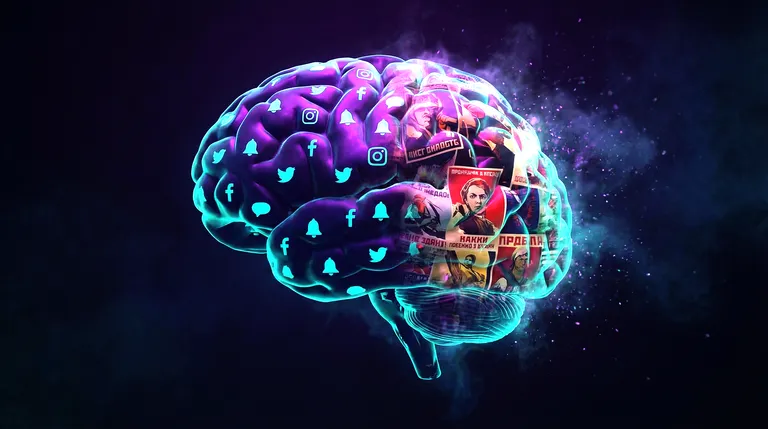
Your social media feed uses proven propaganda techniques to shape what you think and believe. Learn how these old tricks work in new ways and how to protect yourself.
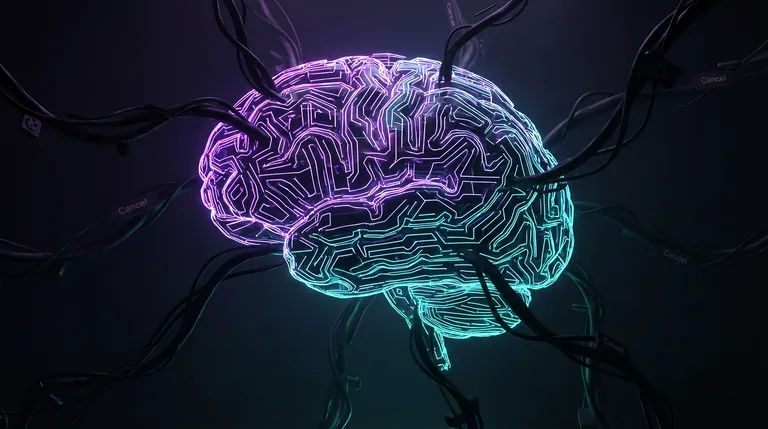
76% of apps and websites use dark patterns to manipulate your choices. Here's the psychology behind deceptive design and how to fight back.
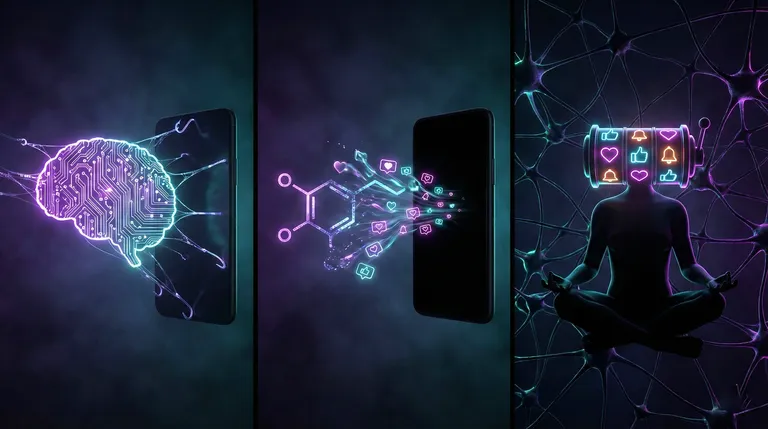
Your phone isn't just a tool. It's designed to exploit your brain chemistry. Here's how the dopamine trap works and what you can do about it.
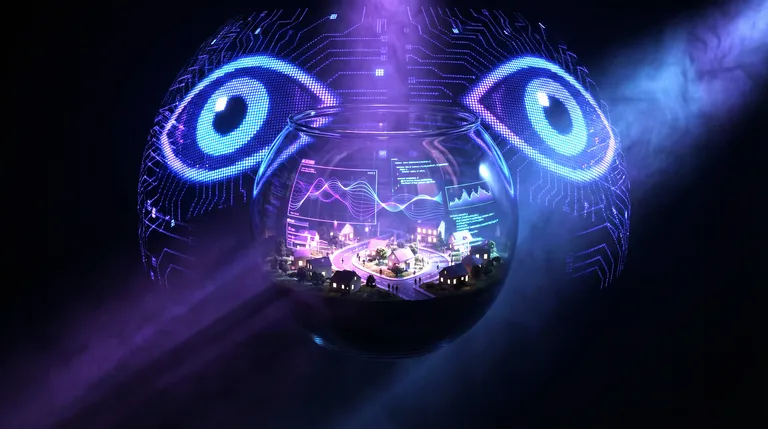
Every click, scroll, and search feeds a system designed to predict and profit from your behavior. Here's how surveillance capitalism works and what it means for your privacy.